

In this episode, I'm talking about something that doesn't get addressed enough: how to stop counting macros. Not why macros matter. Not how to start tracking. How to stop. I share the signs that tracking has shifted from insightful to harmful, my own history with orthorexia, and a step-by-step exit plan for weaning off your tracking app (…without losing your progress or your mind in the process!).
Hi friends, and welcome back to Daily Deposits. If we haven’t met yet, I’m Edie. I’m a nutrition consultant (almost 10 years now!) and a mom of two. In many ways, this podcast is simply an extension of my coaching. A lot of these episodes are conversations I’m already having with clients. And this one? It comes up all the time.
We’re talking about macros.
If you clicked on this episode, I’m guessing one of a few things is true:
Maybe you’ve been tracking for a long time, and you’re tired; like, mentally tired from thinking about food all the time (weighing your food, logging your food, looking up restaurant macros, etc.).
Maybe the app is starting to feel less like a helpful tool and more like something you depend on. You’re a ball-and-chain to MyFitnessPal, Cronometer, or whatever tracker you’re using.
Or maybe you’ve tried to stop before, but the second you do, you feel anxious and go right back to tracking because it feels safer. It’s your comfort zone.
If that’s you, you’re not alone in that. And this episode is going to help.
Spoiler alert: I’m not anti-tracking. But—caveat—I also think there comes a point for many women where the tracking itself starts getting in the way of the very thing you’re (hopefully) trying to build, which is trust with your body and a healthier relationship with food. And if you’re a mom, modeling a healthy relationship with food for your kids.
Where Tracking Goes Sideways
The problem isn’t tracking itself. Yes, I’ll repeat that. I don’t think the issue itself is tracking. It can be a really helpful and informative tool!
The problem is when tracking becomes the only way you feel safe around food.
For example, when you can’t sit down at a restaurant without mentally calculating your plate. Or when you choose the grilled chicken over pasta because the macros are easier to log. Or when you feel anxious eating at a friend’s house because you can’t weigh the portions.
That’s not a tool anymore. That’s a crutch. And it’s pulling you further from the thing you’re trying to build in the long run, which is trust in your own body.
Think about it like training wheels. They’re incredibly useful when you’re learning to ride a bike. But at some point, the training wheels have to come off if you want to ride freely, right? Leaving them on forever doesn’t make you a better cyclist. It just means you never learned to balance on your own. Same goes for tracking.
What We Cover in This Episode
Inside the episode, we explore:
Where macro tracking is no longer helpful (the training wheels analogy)
5 signs it’s time to stop tracking
My personal history with orthorexia and why it shapes my coaching
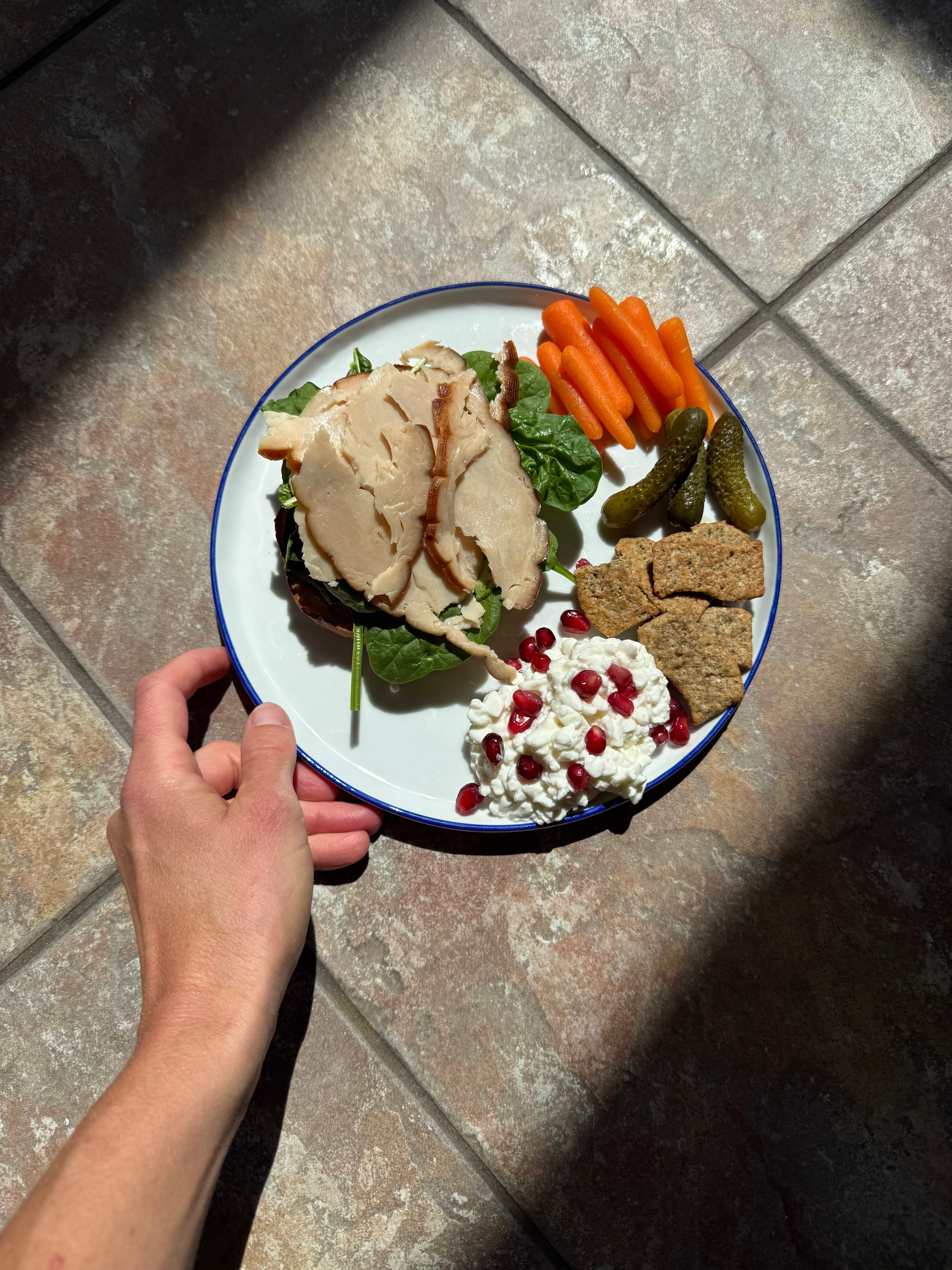
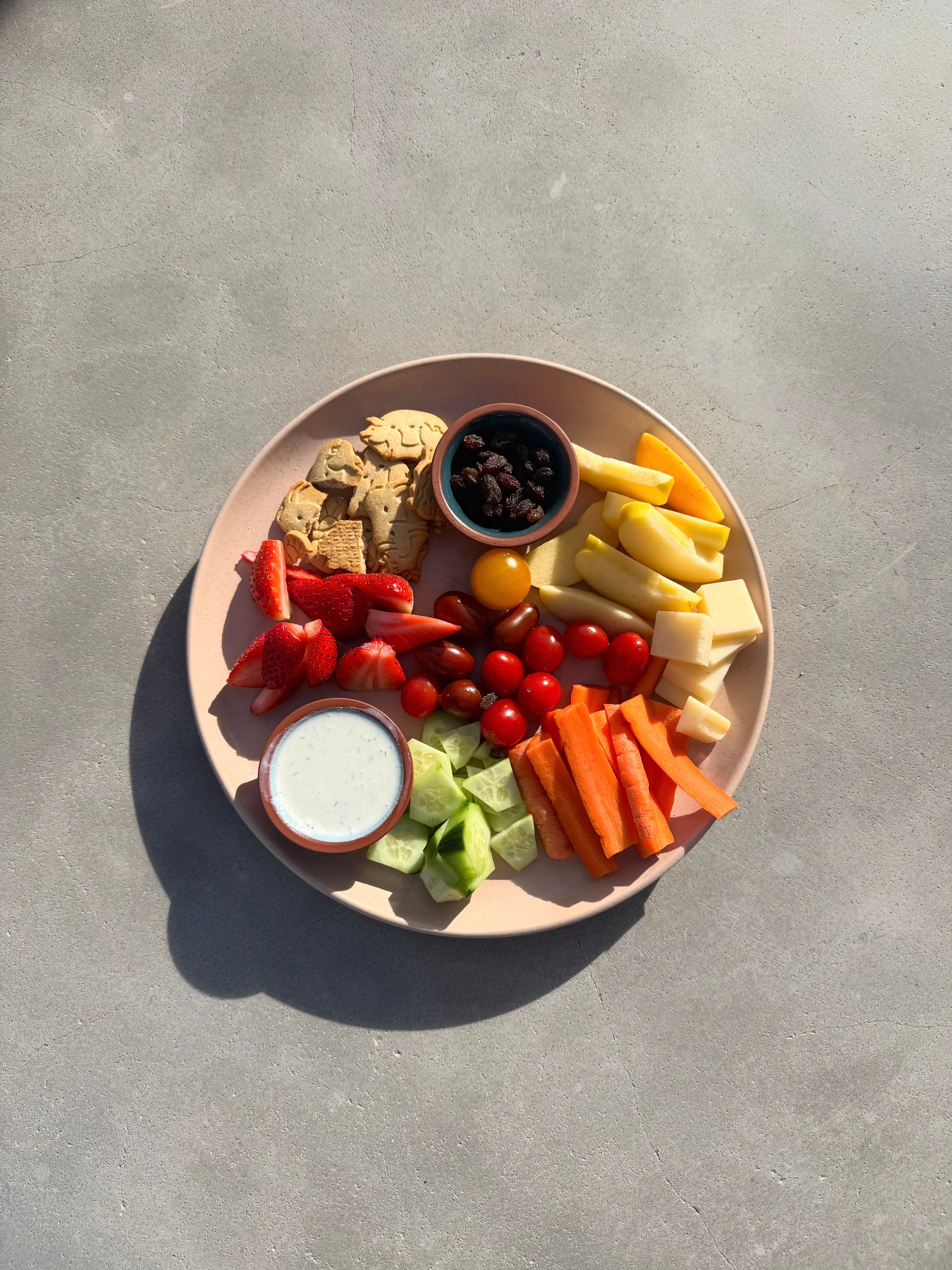
The Good Enough Plate Method—the visual framework that replaces the app (protein + veggie + starch + fat)
The 5-step macro tracker exit plan for weaning off gradually
What to expect in the first two weeks without tracking
The body cues to tune into once the numbers are gone (energy, performance, satiety, cravings)
Why tracking was never the destination to begin with
The bottom line: you went from tracking to learning. Now it’s time to go from learning to trusting. And you’re more ready than you think. Trust me.
Go Deeper
I have two written pieces that go hand in hand with this episode:
The Good Enough Nutrition Method (includes a downloadable PDF cheat sheet!)
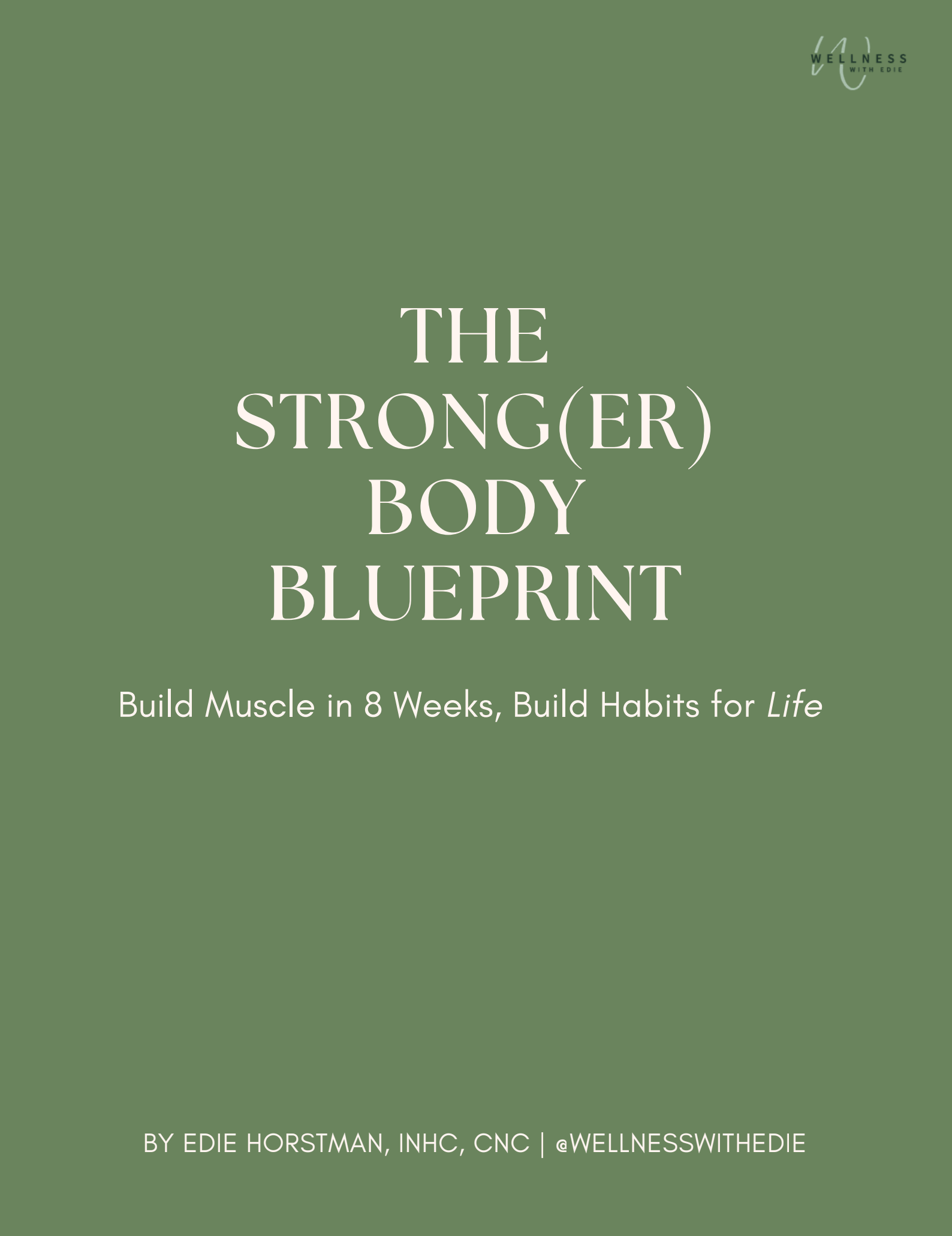
And if you want the full step-by-step framework for building muscle and losing body fat without meticulously counting macros, The Strong(er) Body Blueprint covers all of it.
The other podcast episodes I’ve recorded that tie into this one:


