


In this episode, I’m breaking down why underfueling (eating less than your body needs!) is keeping you stuck. I walk through how chronic restriction impacts everything from your metabolism to your sugar cravings. I dive into why eating more is often the missing piece, and how to figure out what enough looks like for your specific body. If you want to feel empowered in your nutrition choices, this episode is for you.
Let’s set the stage:
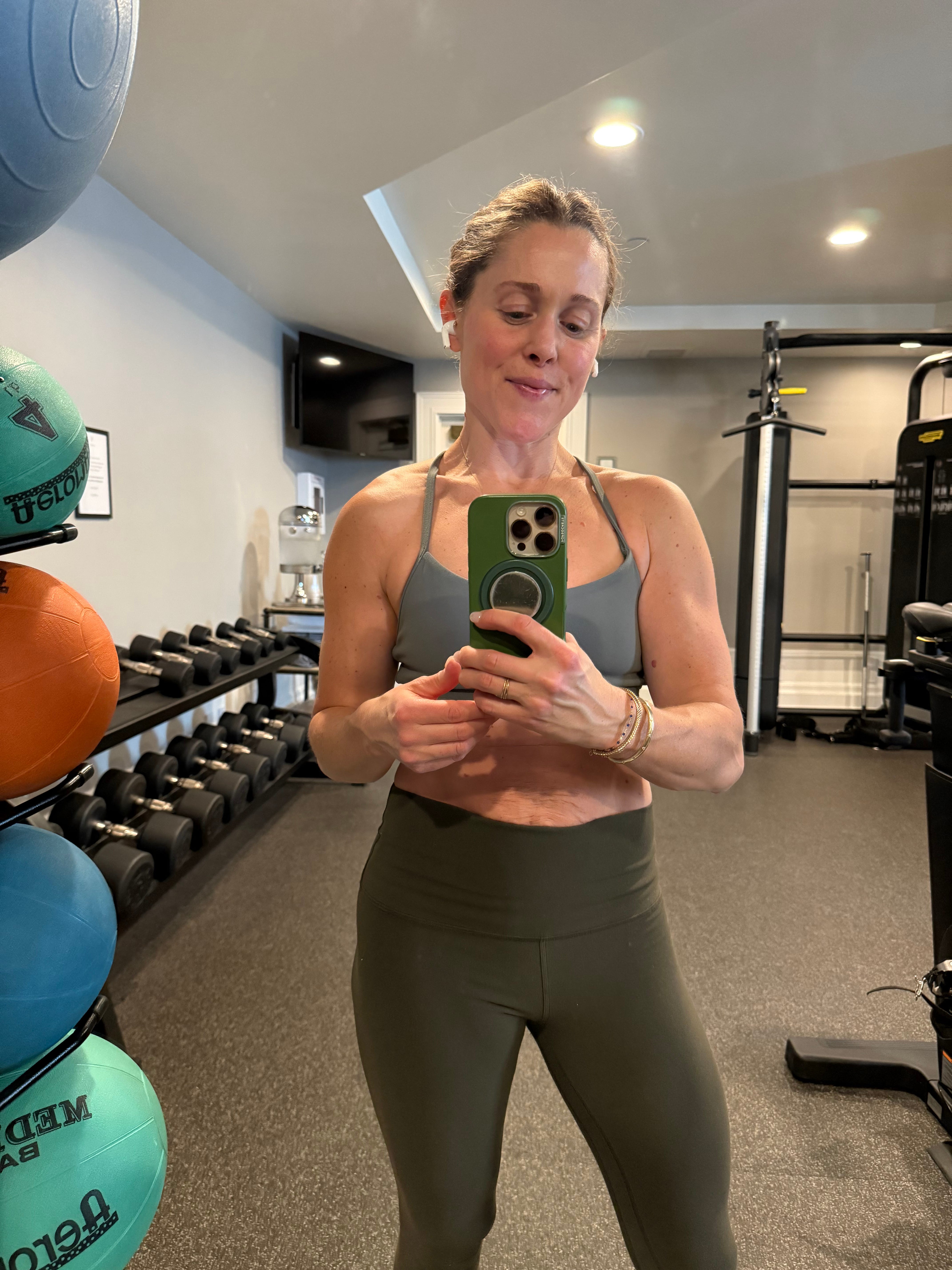
You exercise pretty consistently. You choose “healthy foods” most of the time (…and on the flip side, you feel guilty when you “indulge” in a few slices of pizza). You try really hard to be “disciplined.” Etc. Etc. Etc. But you’re not seeing the results you expect. Your progress has stalled, and every time you do eat the pizza or a bowl of pasta, you feel like you’ve gained 5 pounds. So, what gives?
Underfueling.
This is something I see constantly with my nutrition consulting clients. It’s also something I’ve personally had to unlearn. Eating too little is touted as discipline, especially in a culture that praises restriction. But over time, underfueling works against your metabolism. It makes it really, really hard to build strength or change your body.
If your effort feels high but your results feel stuck, it’s likely a fueling issue.
Why Undereating Stops Working
Eating less than your body needs sends a clear message: resources are scarce.
At first, weight loss or changes in body composition can happen quickly. But the body adapts. Metabolic output decreases and energy conservation becomes the priority. The science proves it. This process—known as adaptive thermogenesis—is why many women feel like they hit a wall after weeks or months of restriction.
Basically, instead of burning more, the body becomes efficient at holding onto what it has. So, no, your body isn’t resisting change. It’s responding to perceived scarcity. This is also why cutting calories further rarely fixes the problem!
Underfueling Isn’t One-Size-Fits-All
One of the reasons underfueling is so common is because it doesn’t look the same for everyone. Underfueling isn’t just “eating very little.” It’s eating less than your body needs for your lifestyle. Emphasis on bio-individuality here!
As I was thinking about the women I’ve coached over the past decade, these are the patterns I see most often:
Women who train hard but eat like they’re sedentary
Strength training, cardio, or high-intensity workouts paired with very low intake often lead to stalled muscle gain, poor recovery, and constant fatigue (…even though effort is high).Women who move constantly but eat inconsistently
Either long days on your feet, chasing kids, walking the dog, going to yoga or pilates, etc. Movement adds up. But intermittent fasting/skipped meals and under-portioned plates catch up over time.Women who don’t exercise much but still restrict heavily
Even without workouts (because you don’t like exercise or haven’t made it a habit), chronic restriction slows metabolism and disrupts hormones.
✨ Different lifestyles, same outcome: the body doesn’t have enough to work with.
Why Eating More Supports Metabolism, Strength, and Energy
This is where things usually click. If underfueling is the problem, the solution isn’t “try harder.” It’s to fuel better.
Macronutrients—carbs, protein, and fats—are the building blocks of nutrition. They provide the energy and raw materials your body needs to function, adapt, and recover. We need all three! When one is consistently too low, progress stalls.
Carbohydrates are the body’s preferred and most efficient source of energy, especially for the brain and higher-intensity movement. Too few carbs often show up as fatigue, cravings, brain fog, and poor workout performance.
✨ Low energy during (or right before) exercise isn’t always about motivation! It’s often about inadequate carbohydrates.
Protein supplies amino acids needed for muscle repair, enzymes, hormones, and tissue maintenance. Inadequate protein intake will slow recovery and increase your hunger (if you feel snacky all day long, it’s likely do to not eating enough protein!). It makes body recomposition practically impossible.
Fats support hormone production, brain function, and nutrient absorption. Chronically low fat intake can affect cycles (causing them to be missed or irregular), satiety, stress tolerance, and even sleep.
✨ Each macronutrient plays a role. Removing one doesn’t make your body “leaner.”
How to Think About Macronutrients Without Obsessing
This is where many women get stuck. And not because they don’t care, but because no one explains this without turning it into a math problem. There is no perfect universal macro ratio. But there are reasonable starting points! For many adults, a broad framework looks like:
25–35% of calories from carbohydrates
30–40% from protein
20–35% from fat
Again, these aren’t rules. Think of them as reference points. Now let’s make this concrete.
For a 140-pound, moderately active woman who wants to build muscle:
Protein often lands around 0.8–1 gram per pound of body weight (think 25-40 grams of protein per meal)
Carbs need to be high enough to support training, recovery, and energy (think 1–2 cupped handfuls per meal, or roughly 30–50 grams).
Fats fill in the rest to support hormones and satiety (think 1-2 sources of fat per meal, like olive oil or avocado)
How to Start Eating Enough (Without Freaking Out)
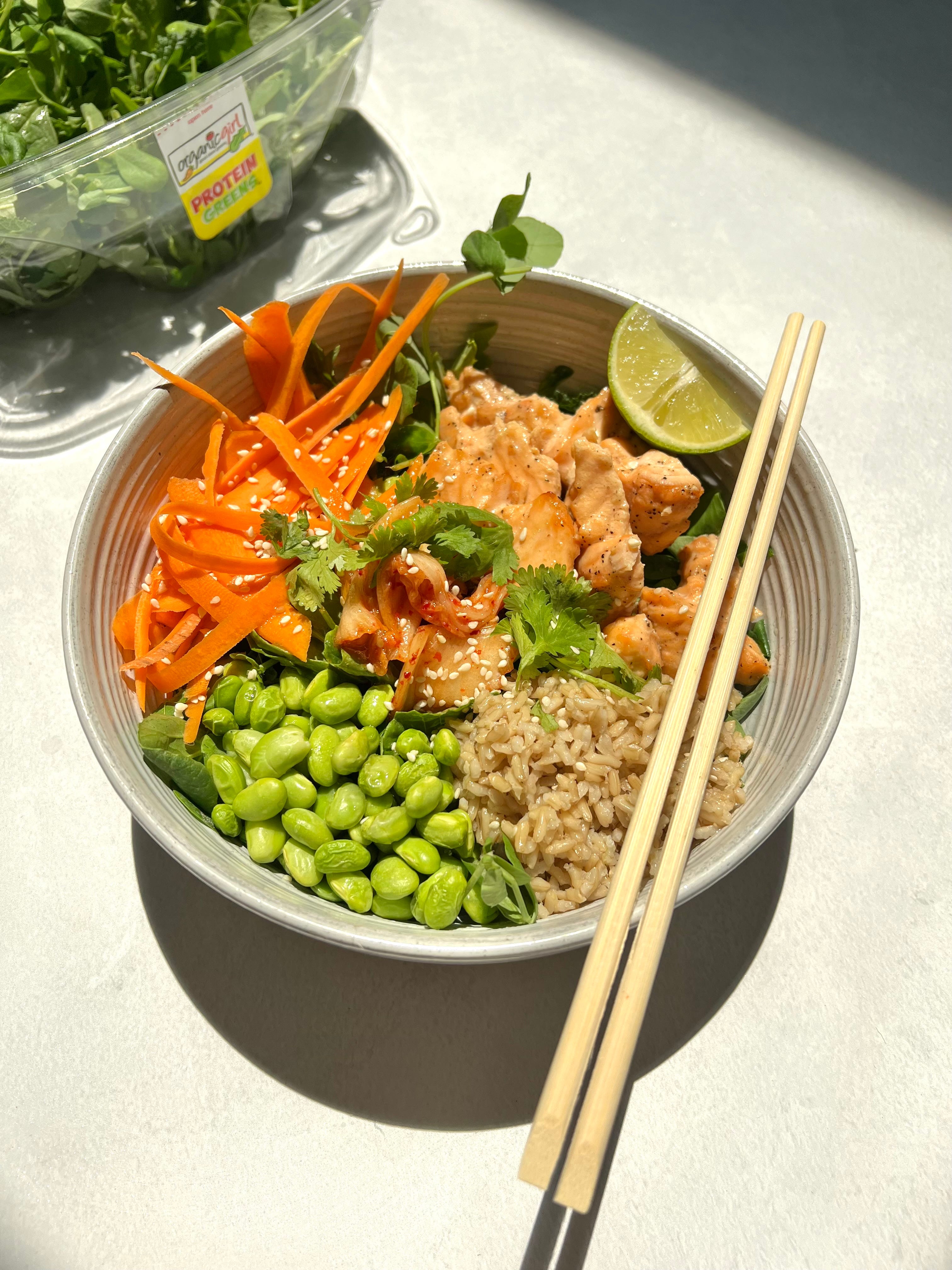
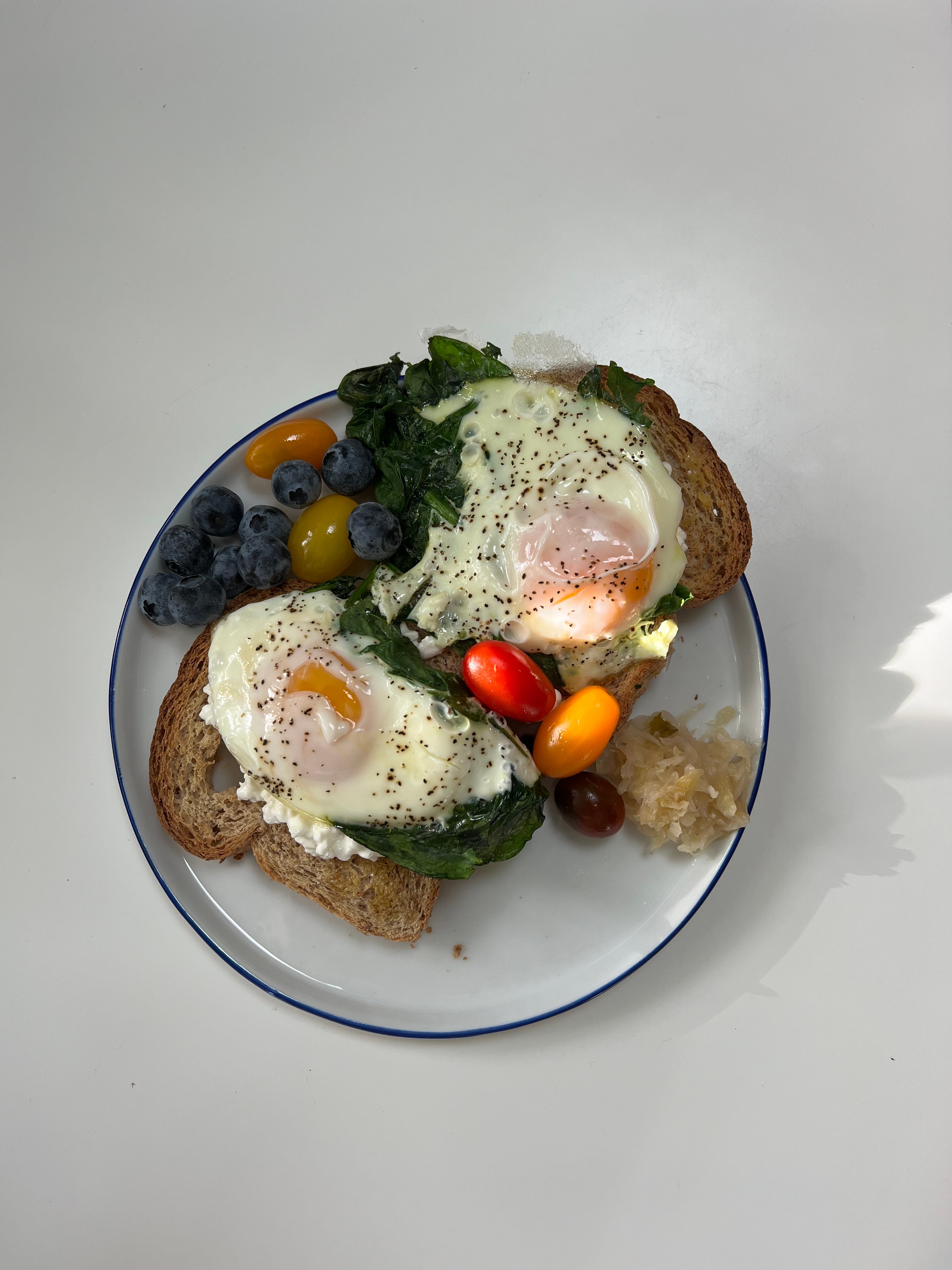
Depending on your relationship with food, you may benefit from short-term tracking—and not to restrict, but to learn what “enough” actually looks like. Others prefer building meals visually, making sure each one includes protein, carbs, fats, and fiber.
Regardless, if eating more feels uncomfortable, start here:
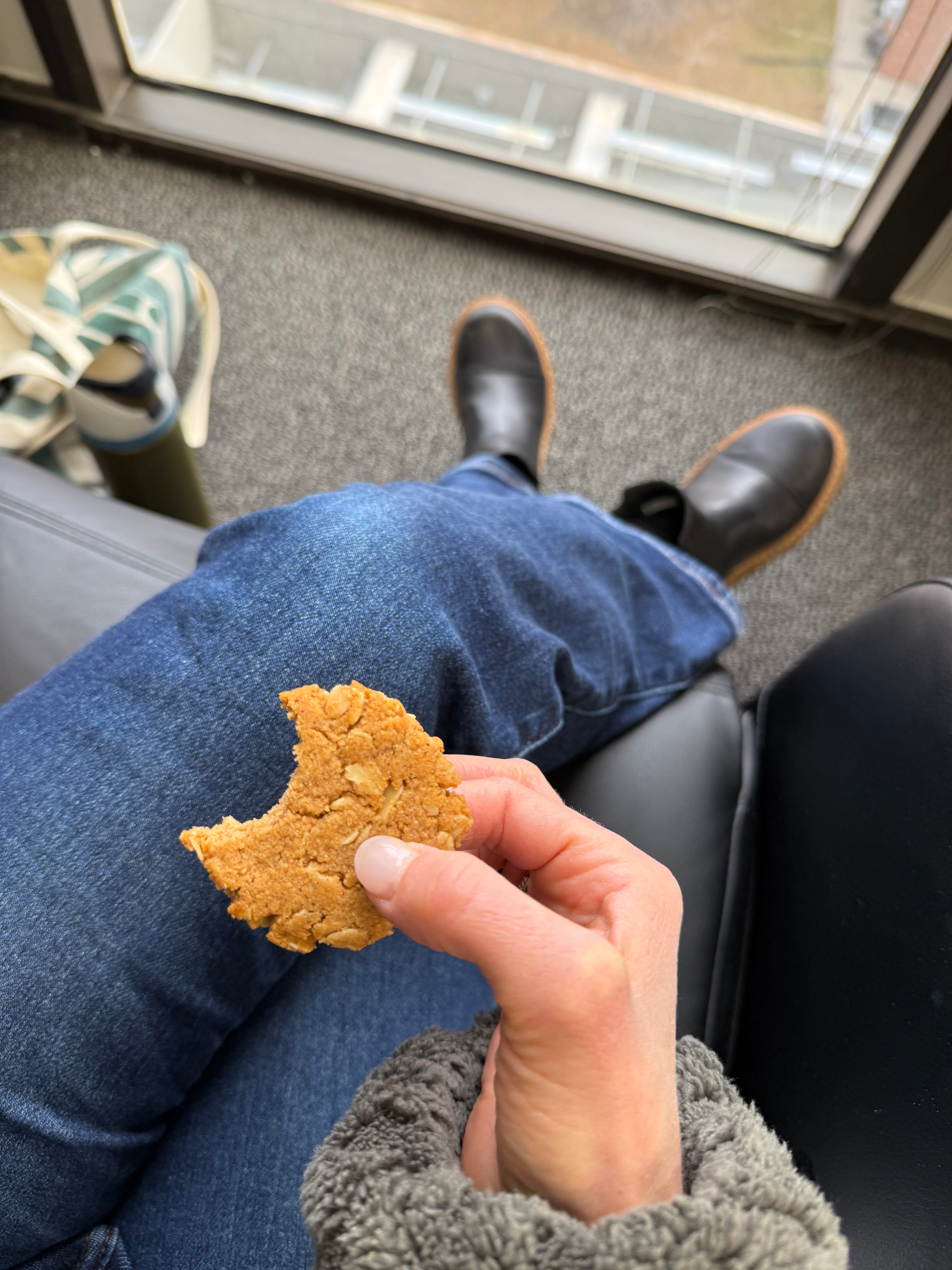
Have a small snack before you workout in the morning (1/2 banana with a small handful walnuts or a date with a bit of peanut butter).
Increase portions slightly (add a slice of sourdough to your lunch salad).
BE PATIENT AND HAVE SELF-COMPASSION! You’re doing something new and scary and are having to lean into trusting the process.
If you’ve been underfueling for a long time, “eat more” can feel vague or even scary! I get it. Give yourself 2–4 weeks to experiment. Start with one snack or slightly bigger meals and notice how your energy, workouts, and mood respond before stressing about numbers.
Your Body Deserves More Fuel
At the end of the day, this isn’t about eating perfectly or hitting exact numbers. It’s about recognizing that your body needs adequate fuel to change…and that chronic restriction is rarely the answer. As scary as it may seem, eating enough is the strategy that finally works. With time, patience, and picking up heavier weights in the gym, your body will change. I promise.
Still weary? Let’s work together. I will show you what’s possible!

If this topic resonated, the final episode I recorded in 2025 expands on this idea. Essentially, that ep is about building habits that stick because they align with who you already are. In other words, they’re an extension of who you are! Today’s episode—the one just skimmed through—is the practical application of that mindset.


